


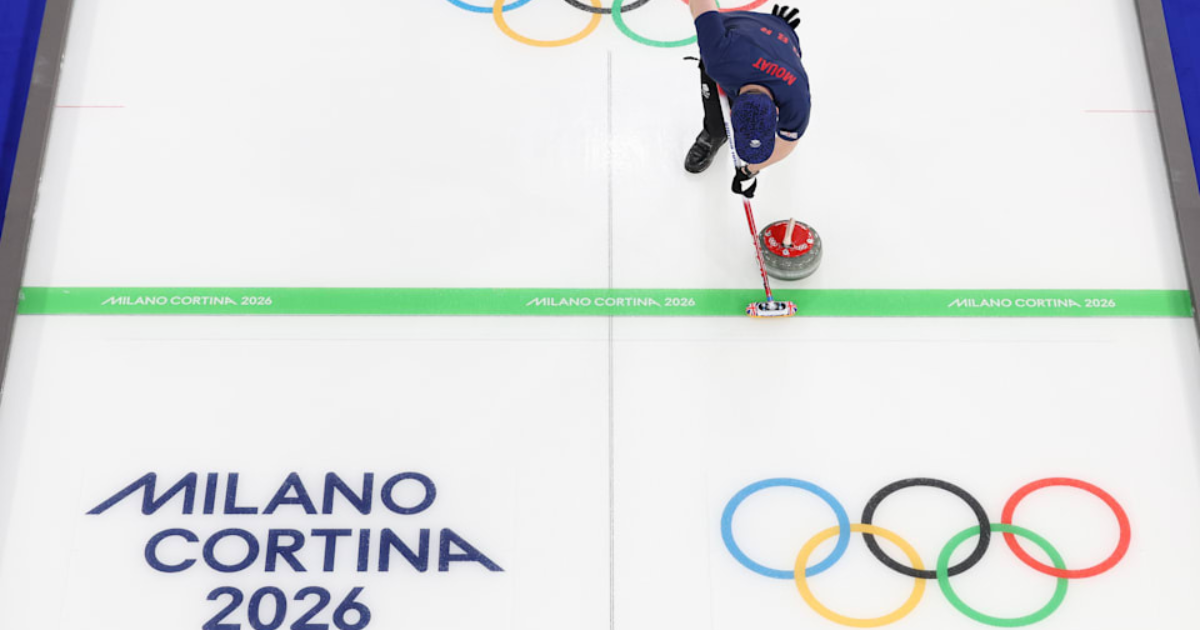
 “The Milan-Cortina Winter Games launch with ceremonies, early competitions and global celebration.”
 Milan-Cortina, Italy, February 6–7, 2026 — The 2026 Winter Olympics have officially begun, kicking off with a spectacular opening ceremony in Milan and Cortina d’Ampezzo that brought together athletes from around the world and marked the start of nearly three weeks of intense competition across snow and ice disciplines.
The Games — co-hosted by Milan and the mountain resort town of Cortina d’Ampezzo — feature events spanning alpine skiing, figure skating, ice hockey, snowboarding, cross-country skiing, short-track speed skating and more.
Table of Contents
ToggleThe opening ceremony at Milan’s iconic San Siro Stadium was a blend of culture, music and global celebration, drawing tens of thousands of spectators. Olympic flames were lit simultaneously in both Milan and Cortina in a historic dual lighting — the first of its kind for the Winter Games — symbolising unity between the two host cities.
Performances by world-renowned artists and dignitaries added to the spectacle, and the Parade of Nations showcased Team USA and other delegations entering the venue with pride.
Competition has already begun in several disciplines. Team USA’s athletes made an immediate mark:
These strong starts are setting the tone for a competitive Games where medal hopes are high across multiple American athletes and squads.
The 2026 Winter Olympics are not without historical note and broader cultural discussion:
These off-field events illustrate the broader conversations that major sporting events frequently inspire across host cities and nations.
Action continues across key sports, with the first medals set to be awarded on February 7 in events such as alpine skiing, skiathlon (cross-country), snowboarding big air, speed skating and ski jumping.
Key competitions and dates include:
The 2026 Winter Olympics represent a major sporting festival celebrating global athleticism and competition after years of anticipation. With widespread media attention, thousands of athletes from more than 90 countries, and a packed schedule of events, the Games offer a mix of elite performance, national pride and cultural exchange — continuing the Olympic tradition on a stage rich with history and modern flair.
The Milano-Cortina Games will continue through February 22, concluding with a closing ceremony in Verona that promises to celebrate athletic achievement and pass the torch to future hosts.