
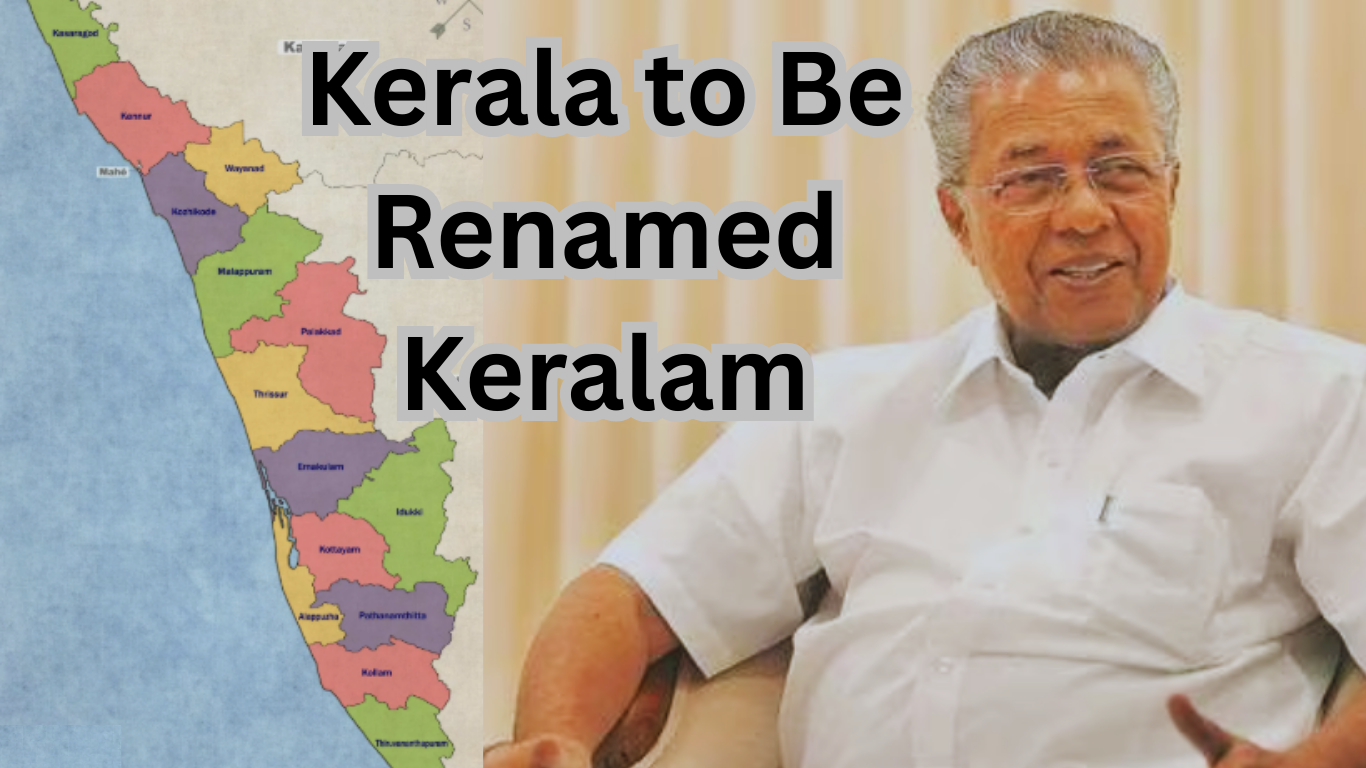
In a landmark move reflecting linguistic and cultural identity, the Union Cabinet has approved a proposal to officially rename the southern Indian state of Kerala as Keralam. The decision follows a long-standing demand by the Kerala government and is expected to require constitutional amendments and parliamentary approval before it becomes legally binding.
The renaming initiative has sparked widespread political, cultural, and public debate, with supporters calling it a restoration of the state’s native identity and critics questioning its timing and practical implications.
Table of Contents
ToggleWhy Kerala Is Being Renamed ‘Kerala
The proposal to rename Kerala stems from the fact that the state is known as “Keralam” in Malayalam, the official language spoken by the majority of its population.
The Kerala Legislative Assembly first passed a resolution in 2024 urging the Union government to amend the Constitution to reflect the state’s name as “Keralam” in all languages listed in the Eighth Schedule. Chief Minister Pinarayi Vijayan had argued that the current name “Kerala” is an Anglicised version and does not reflect the state’s linguistic heritage.
The demand is rooted in a broader movement across India to restore indigenous names of places that were altered during colonial rule.

What the Cabinet Decision Means
The Union Cabinet’s approval is the first major step toward the official name change. However, because state names are listed in the First Schedule of the Indian Constitution, the change will require a constitutional amendment bill passed by Parliament and ratified by at least half of India’s states.
If approved, “Keralam” will replace “Kerala” in all official documents, constitutional records, government communications, and international references.
Political and Cultural Reactions
The decision has triggered mixed reactions across political and cultural circles. Supporters view the renaming as a symbolic assertion of regional identity and linguistic pride.
However, some critics argue that the move is largely symbolic and may distract from pressing governance and economic issues. Others question whether the name change will create administrative complications or confusion in global branding and tourism.
Congress MP Shashi Tharoor reacted humorously to the debate, questioning how terms like “Keralan” or “Keralite” might evolve after the renaming. His remarks reflected a broader public discussion on how identity labels and language usage could change.
Historical Context of Renaming in India
India has witnessed several high-profile renaming exercises over the past decades. Cities such as Bombay, Madras, and Calcutta were renamed Mumbai, Chennai, and Kolkata to reflect indigenous pronunciations. States like Orissa and Uttaranchal were renamed Odisha and Uttarakhand for similar linguistic reasons.
The proposed renaming of Kerala follows this pattern of reclaiming native names and cultural authenticity.
Impact on Administration and Public Life
If implemented, the name change will affect official records, government signage, legal documents, educational materials, and digital platforms. Businesses, institutions, and media outlets will gradually adopt the new name, similar to previous renaming transitions in India.
Experts say the transition is unlikely to disrupt daily life but may involve administrative costs and public awareness campaigns to ensure clarity.
Timing Ahead of State Elections
The cabinet decision comes ahead of upcoming Kerala Assembly elections, raising questions about political timing. While the state government insists the move is cultural rather than political, analysts say identity-related decisions often carry electoral significance.
The renaming could resonate with regional pride sentiments, especially among Malayalam-speaking communities, though its electoral impact remains uncertain.
What Comes Next
The constitutional amendment bill will be introduced in Parliament, where it must secure a special majority in both houses and approval from at least half of the states. If cleared, “Keralam” will become the official name of the state across all constitutional and administrative frameworks.
Conclusion
The decision to rename Kerala as Keralam marks a significant symbolic step in India’s evolving linguistic and cultural landscape. While the change is largely symbolic, it reflects deeper debates about identity, colonial legacy, and regional pride.
As India continues to redefine its cultural narratives, the renaming of Kerala could become another milestone in the country’s journey toward linguistic and historical authenticity.
Visit GPS NEWS HUB