
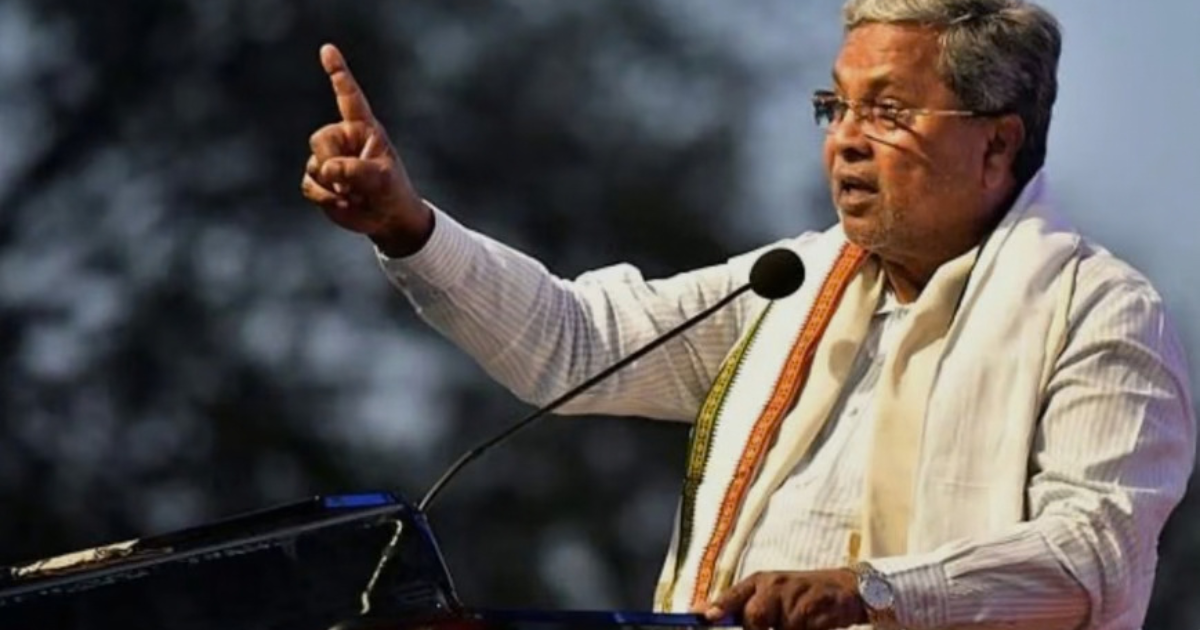
The Karnataka government has proposed a major policy shift aimed at regulating children’s online activity by banning social media use for those under the age of 16. The announcement was made by Chief Minister Siddaramaiah while presenting the state’s 2026–27 budget in the Legislative Assembly. The move, if implemented, would make Karnataka the first state in India to impose such a restriction on minors’ access to social media platforms.
Table of Contents
ToggleGovernment’s Rationale Behind the Ban
According to the state government, the proposed restriction is intended to protect children from the harmful effects associated with excessive smartphone and social media usage. During his budget speech, Siddaramaiah stated that the policy is aimed at preventing the negative impact of increasing mobile phone usage on young people.
Officials believe that social media exposure at a young age can lead to problems such as digital addiction, cyberbullying, exposure to harmful content, and negative effects on mental health. By restricting access for those under 16, the government hopes to encourage healthier digital habits and protect children during their formative years.
The decision follows discussions held earlier between the state government and university vice-chancellors regarding the broader impact of smartphones and online platforms on students’ academic and psychological well-being.

First-of-Its-Kind Move in India
If enacted, the measure would make Karnataka the first Indian state to introduce a formal ban on social media access for children under 16. The state, which is home to India’s major technology hub Bengaluru, has often been at the center of debates on technology regulation and digital policy.
The proposal reflects a growing global trend of governments attempting to regulate social media use among minors. Countries such as Australia, France, and Indonesia have also explored or introduced restrictions aimed at protecting children from online risks and digital dependency.
Questions Over Implementation
Despite the announcement, several details regarding the policy remain unclear. As of now, the Karnataka government has not introduced a formal bill in the Assembly outlining how the ban will be implemented or enforced.
Key questions remain about how authorities would verify users’ ages, which platforms would be covered, and whether technology companies would be required to enforce age restrictions. Experts have also raised concerns that teenagers could bypass such restrictions through VPNs or alternative accounts.
Some policy analysts argue that instead of a blanket ban, a combination of digital literacy programmes, parental controls, and platform accountability might be more effective in protecting young users online.
Tech Industry and Expert Reactions
Technology companies and digital policy experts have expressed mixed reactions to the proposal. Meta, the parent company of platforms like Facebook and Instagram, warned that strict bans could push teenagers toward unregulated or less secure platforms, potentially exposing them to greater online risks.
Experts in child development and digital safety have also emphasized the importance of educating children about responsible internet use rather than relying solely on restrictions.
For the proposed ban to take effect, the Karnataka government will need to introduce legislation and establish regulatory mechanisms to enforce the policy. The proposal is expected to trigger wider discussions about children’s digital safety, online freedoms, and the role of governments in regulating technology use among minors.
If implemented successfully, the move could influence similar policies across other Indian states and spark a broader national debate on how to balance digital access with child protection in the internet age.
Visit GPS NEWS HUB