


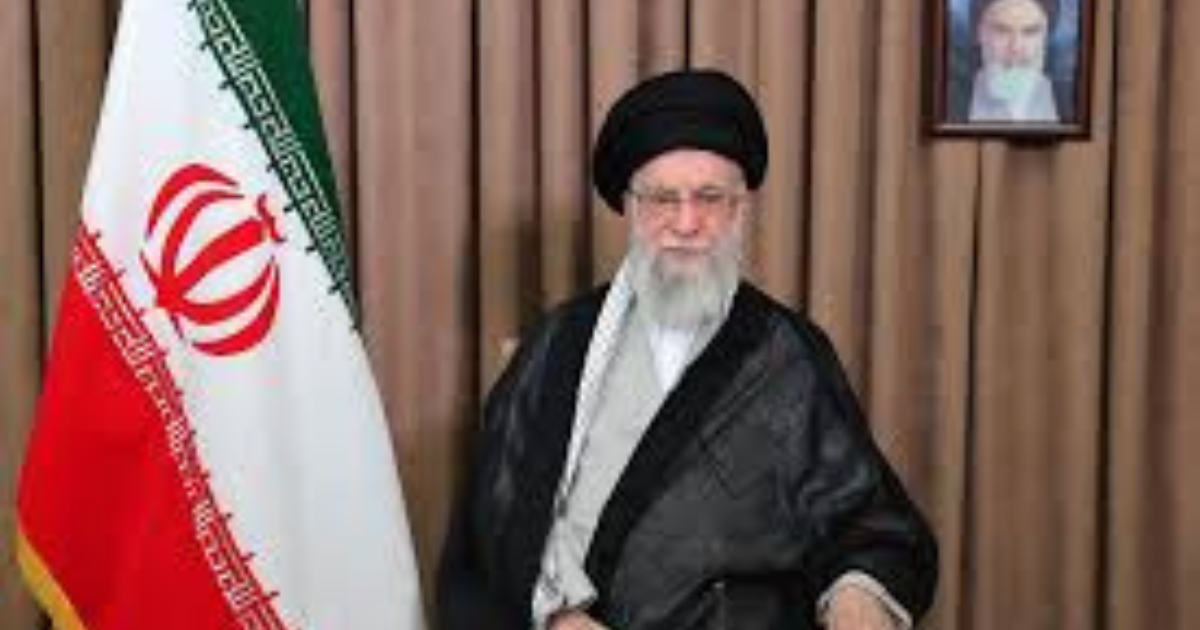
 Ayatollah Ali Khamenei, Iran’s Supreme Leader, Is Dead at 86
 Iran’s Supreme Leader Ayatollah Ali Hosseini Khamenei — who led the country since 1989 — has died at the age of 86 after being killed in a joint U.S.-Israeli military airstrike, Iranian state media and international reports have confirmed.
The attack on February 28, 2026, struck his compound in Tehran, and state media later reported his death. The Iranian government has declared a 40-day national mourning period as well as a public holiday to honour him.
Table of Contents
ToggleKhamenei had been Iran’s Supreme Leader since 1989, succeeding Ayatollah Ruhollah Khomeini and becoming the highest religious and political authority in the Islamic Republic. During his more than three decades in power:
At the time of his death, Khamenei was one of the Middle East’s longest-serving leaders.
The reported killing of Ayatollah Ali Khamenei has sharply intensified tensions between Iran, Israel and the United States. The joint U.S.–Israeli airstrikes on Iranian military and strategic targets marked one of the most serious direct confrontations in recent years. In retaliation, Iran launched missile and drone attacks toward Israeli positions and U.S. bases in the region, significantly raising the risk of a broader Middle East war. Air defense systems were activated across multiple countries as the region moved to high alert.
The conflict has triggered widespread international concern over regional stability, oil supply routes and global security. Several neighboring countries have strengthened border defenses, while global powers are urging restraint to avoid further escalation. Analysts warn that continued military exchanges could draw additional nations into the conflict, increasing the chances of prolonged instability. Diplomatic efforts are now focused on preventing further retaliation and restoring a fragile balance in the region.
The conflict has triggered widespread international concern over regional stability, oil supply routes and global security. Several neighboring countries have strengthened border defenses, while global powers are urging restraint to avoid further escalation. Analysts warn that continued military exchanges could draw additional nations into the conflict, increasing the chances of prolonged instability. Diplomatic efforts are now focused on preventing further retaliation and restoring a fragile balance in the region.
Khamenei’s death marks an historic turning point. As the supreme leader, he was central to Iran’s political and military structure. With no clear successor yet named, observers are watching closely how power will be transferred — particularly whether the Assembly of Experts will name a new leader or if the Islamic Revolutionary Guard Corps (IRGC) will assert greater influence.
The development also has deep implications for:
Visit – GPS NEWS HUB
