
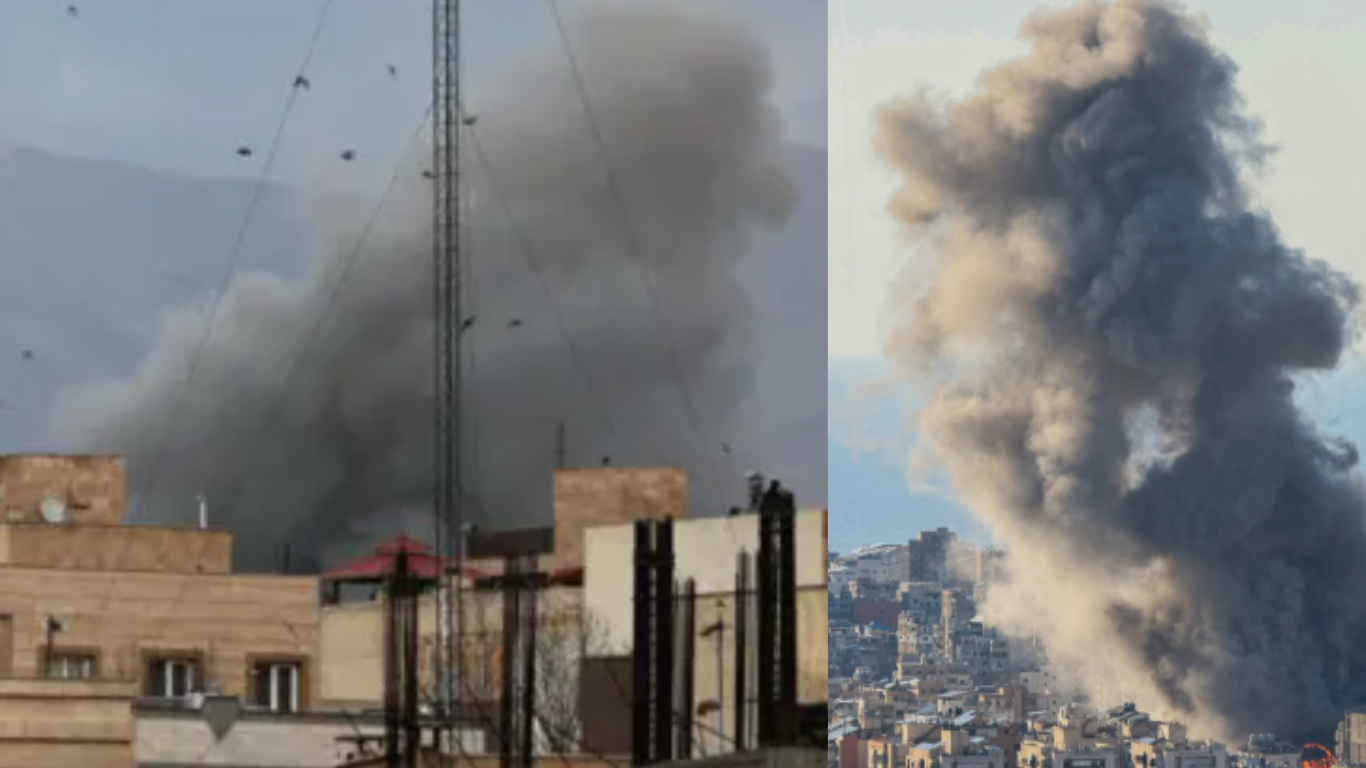
The conflict involving Iran, the United States, and Israel has intensified significantly, entering its second week with missile exchanges, regional instability, and growing global economic repercussions. As fighting spreads across parts of the Middle East, the war is reshaping geopolitical alliances, disrupting international travel, and pushing energy markets into turmoil.
Table of Contents
ToggleEscalation of Military Operations
The current phase of the conflict began after coordinated U.S. and Israeli strikes targeted Iranian military and strategic facilities, including locations linked to Tehran’s nuclear and missile programs. The strikes also resulted in the death of Iran’s Supreme Leader, Ali Khamenei, triggering widespread retaliation from Tehran.
In response, Iran launched large-scale missile and drone attacks against Israel as well as Gulf countries hosting U.S. military bases. Several strategic locations across the region, including military installations and infrastructure sites, were targeted in the retaliatory strikes.
According to regional reports, hundreds of missiles and drones were fired in the opening days of the conflict. While air defence systems intercepted many of them, some projectiles struck airports, ports, and other infrastructure in Gulf cities, raising fears of a wider regional war.
U.S. President Donald Trump has defended the military campaign, claiming the operations are significantly weakening Iran’s military capabilities and describing the offensive as progressing successfully

Gulf Region Faces Direct Impact
The war has expanded beyond Iran and Israel, with Gulf states increasingly affected. Missile strikes and drone attacks have been reported near key military bases used by U.S. forces in countries such as Bahrain, Qatar, and Kuwait.
Airports and commercial facilities in major regional hubs have also been hit or temporarily shut down, disrupting aviation routes and causing widespread travel chaos. Thousands of international flights have been cancelled or rerouted as airlines avoid airspace across parts of the Middle East.
The disruptions have particularly affected major transit hubs like Dubai and Doha, which normally handle millions of passengers connecting between Europe, Asia, and Africa.
Oil Markets and Global Economy Under Pressure
One of the most significant consequences of the conflict has been the sharp rise in global energy prices. Oil markets have reacted strongly due to fears that the war could disrupt supplies moving through the strategic Strait of Hormuz, a vital shipping route for global energy trade.
Analysts warn that even a temporary disruption in this narrow waterway could affect nearly one-fifth of the world’s oil supply. As tensions escalated, crude oil prices jumped sharply and jet fuel costs surged, affecting airline operations worldwide.
The surge in energy prices is also increasing concerns about inflation and economic instability, as higher fuel costs typically raise transportation and manufacturing expenses globally.
Regional and International Reactions
Countries across the Middle East and beyond are closely monitoring the situation, with many calling for urgent diplomatic efforts to prevent further escalation. Some governments fear that prolonged fighting could destabilise the entire region and trigger broader military involvement.
Meanwhile, several Gulf nations are reportedly considering economic measures against Iran, including freezing assets and tightening financial controls, as tensions continue to rise.
At the same time, global powers are urging restraint while exploring diplomatic channels to avoid a wider war that could involve additional countries.
What Comes Next
With the conflict entering its second week, analysts say the situation remains highly unpredictable. Continued missile exchanges and retaliatory strikes could further destabilise the region, especially if attacks expand to more countries or critical energy infrastructure.
Diplomatic negotiations remain uncertain, and both sides appear determined to maintain military pressure. As a result, the Iran war is quickly becoming one of the most consequential geopolitical crises in recent years, with implications reaching far beyond the Middle East.