
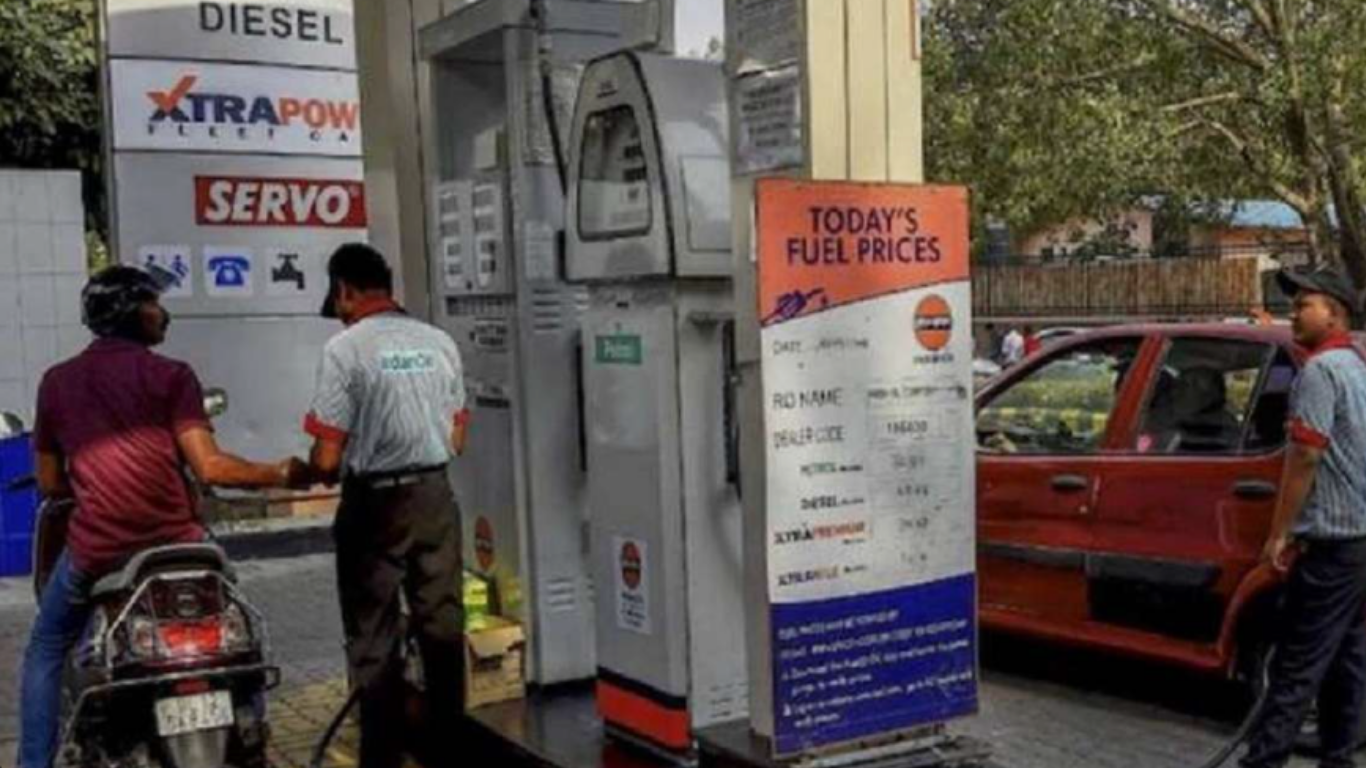
India’s fuel pricing landscape witnessed a significant shift as premium petrol and industrial diesel prices were increased, while regular petrol and diesel rates remained unchanged, offering partial relief to consumers despite rising global oil prices.
The changes come amid escalating geopolitical tensions in the Middle East, particularly the ongoing Iran–US–Israel conflict, which has pushed global crude oil prices above $100 per barrel and increased volatility in energy markets.
Table of Contents
TogglePremium Petrol Prices Increased
State-run oil marketing companies have raised the prices of premium or high-octane petrol by around ₹2 to ₹2.35 per litre. These premium fuels—such as XP95, Speed, and Power petrol—are typically used in high-performance vehicles and make up a relatively small portion of total fuel consumption in India.
In Delhi, for instance, the price of premium petrol rose to around ₹101.89 per litre following the hike. However, officials clarified that this increase affects only a small segment of consumers, as most vehicles rely on standard petrol.
Sharp Jump in Industrial Diesel Prices
The most significant increase has been seen in bulk or industrial diesel prices, which surged by nearly ₹22 per litre. This category of diesel is mainly used by industries, transport fleets, and large commercial consumers.
In the national capital, industrial diesel prices jumped from approximately ₹87.67 per litre to over ₹109 per litre. The steep rise reflects the direct impact of global crude oil prices on bulk fuel procurement, which is less shielded by government or oil company interventions compared to retail fuel pricing.
Experts warn that this increase could indirectly affect logistics, manufacturing, and transportation costs, potentially leading to higher prices for goods and services in the coming weeks.

No Change in Regular Petrol and Diesel
Despite the sharp increases in select fuel categories, retail prices of normal petrol and diesel remain unchanged across the country. In Delhi, regular petrol continues to be priced at around ₹94.77 per litre, while diesel stands at approximately ₹87.67 per litre.
Government officials have stated that oil companies are absorbing part of the cost pressure to shield ordinary consumers from the immediate impact of rising global oil prices. This strategy aims to prevent inflationary pressure and maintain economic stability.
Global Factors Behind the Price Movement
The primary driver behind the fuel price adjustments is the surge in global crude oil prices caused by geopolitical instability. The Middle East conflict has raised concerns about supply disruptions, particularly in critical shipping routes such as the Strait of Hormuz, through which a large portion of the world’s oil supply passes.
Additionally, fluctuations in the US dollar and international energy markets have contributed to price volatility, forcing oil companies to revise rates for certain fuel categories.
Impact on Economy and Consumers
While the stability in regular fuel prices offers relief to the general public, the increase in industrial diesel costs may have a cascading effect on the economy. Higher transportation and operational expenses could eventually influence inflation, especially in sectors dependent on bulk fuel usage.
At the same time, the hike in premium petrol prices is unlikely to significantly impact the broader population, given its limited usage.
Outlook
Analysts believe that fuel prices in India may remain volatile in the coming weeks, depending on global oil trends and geopolitical developments. If crude oil prices continue to rise, further adjustments cannot be ruled out.
Experts also point out that any prolonged disruption in global supply chains, especially in key oil-producing regions, could put additional pressure on domestic pricing policies. This may force oil marketing companies to gradually pass on the burden to consumers if international prices remain elevated for an extended period.
For now, the government and oil companies appear to be balancing market pressures with consumer protection, ensuring that everyday fuel prices remain stable even as global uncertainties continue to influence the energy sector. However, maintaining this balance over the long term could prove challenging if geopolitical tensions persist and demand for energy continues to rise.
Visit GPS NEWS HUB