
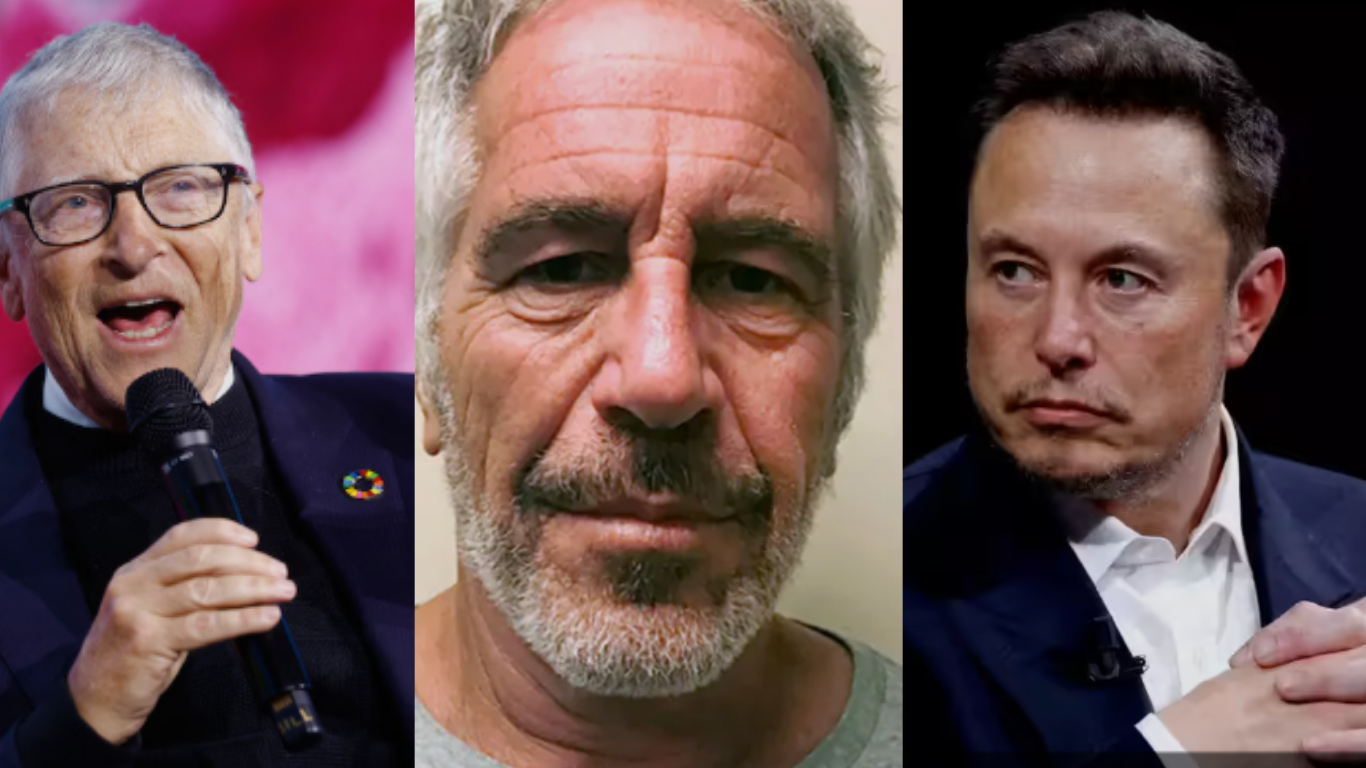
A massive tranche of Jeffrey Epstein files released by the U.S. Department of Justice last week has renewed scrutiny of several influential figures — including Microsoft co-founder Bill Gates, billionaire tech entrepreneur Elon Musk, and U.S. Commerce Secretary Howard Lutnick — over their past associations with the disgraced financier and convicted sex offender. The document release, mandated under the Epstein Files Transparency Act, comprises over 3 million pages of emails, images and investigative material that reveal previously undisclosed interactions and communications.
Epstein, who died in a New York jail in 2019 while awaiting trial on sex-trafficking charges, cultivated a wide network of powerful contacts, which the newly disclosed files suggest may have extended further than publicly acknowledged. While inclusion in the files does not constitute evidence of criminal conduct, the revelations have prompted reputational questions and firm denials from those named.
Table of Contents
ToggleBill Gates Denies Sensational Claims
Among the most talked-about developments are draft emails attributed to Epstein that make lurid and unverified claims about Bill Gates. One such email, written on Epstein’s own account, alleges that Gates contracted a sexually transmitted infection following encounters with “Russian girls” and later sought antibiotics for his then-wife Melinda French Gates. The document also suggests Epstein played a role in facilitating the encounters, along with other controversial assertions.
Gates’ representatives have categorically rejected these assertions as “absolutely absurd and completely false,” saying the emails reflect Epstein’s attempt to defame and manipulate rather than any factual account of events. In a statement to the press, a spokesperson emphasized that Gates had limited interactions with Epstein and had acknowledged in the past that meeting him was a “huge mistake” linked solely to philanthropic discussions.
Gates himself previously acknowledged that his limited meetings with Epstein, intended to secure funding for global health initiatives, were regrettable and contributed to strains in his personal life, including his divorce in 2021.

Elon Musk’s Name Surfaces in Correspondence
The files also include email exchanges between Elon Musk and Epstein from 2012–2013. These messages indicate that Epstein attempted to coordinate island visits and social events with Musk, including invitations to his private Caribbean estate — an infamous location linked to numerous abuse allegations.
Musk has denied any substantive relationship with Epstein, saying he never attended gatherings or associates in a meaningful way. He has described Epstein as a “creep” and said that any minimal communication could be “misinterpreted and used by detractors to smear my name.”
Still, the presence of these emails — and discussions that suggest more sustained contact than previously acknowledged — have fueled public debate over where the line between social acquaintance and improper association should be drawn.+
Howard Lutnick and Other Figures Under the Lens
The latest files also reference Howard Lutnick, who served as U.S. Commerce Secretary, in emails discussing logistics for social events with Epstein, including a planned lunch on Epstein’s private island. These exchanges appear to contradict earlier statements that he had severed ties long before. Lutnick has said he maintained “zero time” with Epstein in later years.
Beyond Gates, Musk and Lutnick, the documents include references to a wide spectrum of powerful individuals spanning politics, business and royalty — from former U.S. Presidents to members of European nobility — though most deny any impropriety or direct involvement in Epstein’s crimes.
Justice Department and Survivor Reactions
U.S. Deputy Attorney General Todd Blanche, speaking on the document release, has stressed that while the contents contain concerning materials, they do not constitute evidence of prosecutable misconduct against those named, and that no further criminal cases are expected to arise directly from the files.
Survivors of Epstein’s sex-trafficking network and their legal representatives have criticized the handling of the release, arguing that incomplete disclosure and redaction errors obscure accountability and risk re-traumatizing victims by exposing sensitive details.
Context of the Release
The newly released cache follows the Epstein Files Transparency Act, which mandated the publication of all remaining investigative documents related to the financier within a defined timeframe. The material, which includes emails, images and other records, is intended to shed light on Epstein’s network and associations. While it has sparked intense public and political interest, officials have cautioned that many allegations within the files remain unverified or speculative.
Visit GPS NEWS HUB