
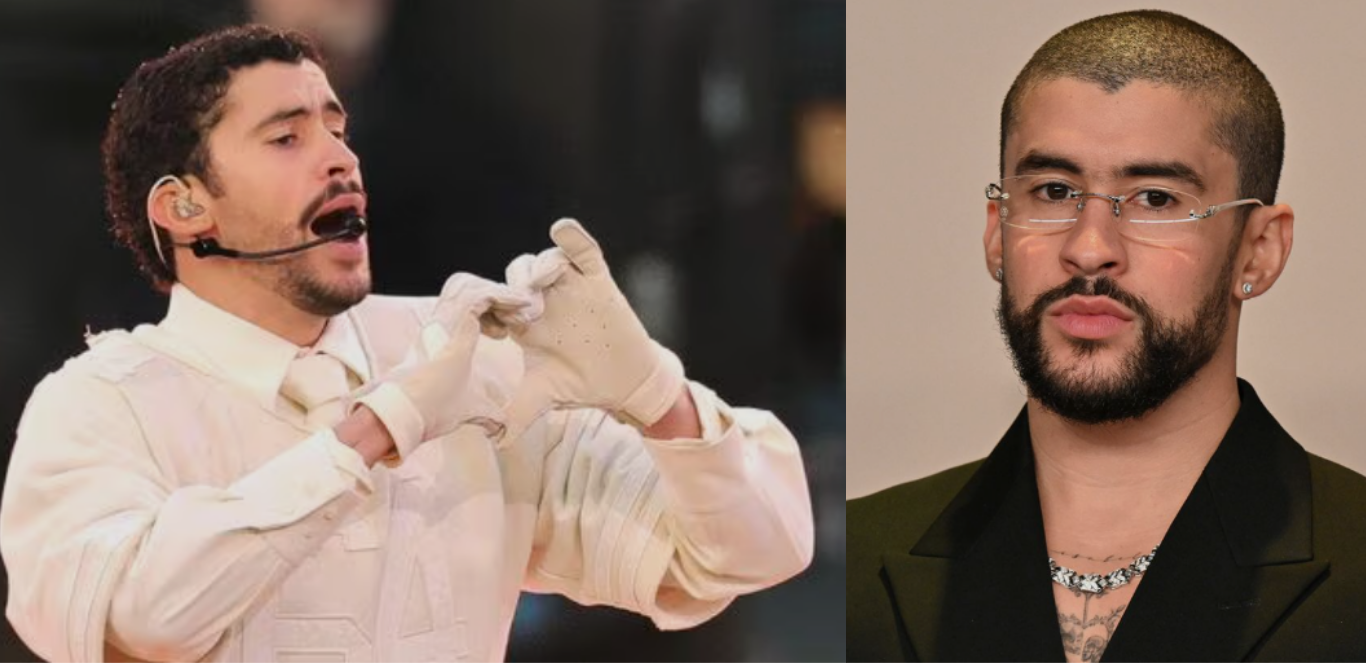
Global Latin music superstar Bad Bunny delivered a high-energy and visually stunning halftime performance at the Super Bowl on Sunday, marking a major milestone for Spanish-language music on the world’s biggest sporting stage. The show drew massive global attention and sparked debate among critics and audiences over cultural representation, music, and the future of halftime entertainment.
Bad Bunny, one of the most streamed artists in the world, became the first Puerto Rican solo headliner of the Super Bowl halftime show, showcasing Latin rhythms, reggaeton, and Caribbean influences in a performance that reflected his identity and global fan base.
Table of Contents
ToggleA High-Energy Performance with Latin Roots
The halftime show featured elaborate choreography, bold stage design, and a medley of Bad Bunny’s biggest hits, blending reggaeton, Latin pop, and hip-hop influences. Dancers filled the stage with vibrant costumes and choreography inspired by Latin culture, while the singer performed mostly in Spanish, highlighting his roots and the growing global influence of Latin music.
Critics praised the show’s production value and energy, with some describing it as a celebration of Latin culture on one of the world’s largest entertainment platforms. The performance was designed to appeal to a global audience, reflecting the NFL’s expanding international reach and changing demographics of Super Bowl viewers.
Mixed Reviews from Critics
While many praised Bad Bunny’s charisma and spectacle, critics offered mixed assessments of the performance. Some reviewers applauded the boldness and cultural authenticity of the show, noting that it represented a shift toward more diverse halftime headliners.
However, others felt the performance lacked mainstream crossover appeal compared to previous halftime acts. Critics also debated whether the setlist relied too heavily on niche Latin tracks instead of widely recognised crossover hits.
The New York Times described the show as fun and energetic but noted that it might divide viewers unfamiliar with Spanish-language music, while The Guardian highlighted the cultural significance and theatricality of the performance, calling it a strong statement of Latin pop’s global dominance.
A Cultural Moment for Latin Music
Bad Bunny’s Super Bowl appearance reflects the growing global influence of Latin music, which has dominated streaming platforms and charts worldwide over the past decade. His performance comes at a time when Spanish-language music is increasingly mainstream in the United States and beyond.
Music industry experts say the halftime show represents a broader shift in the entertainment industry toward more inclusive and global representation. By featuring a Spanish-speaking artist, the NFL acknowledged the changing tastes of younger audiences and the rising importance of multicultural entertainment.
Social Media Reaction and Fan Response
The performance sparked intense discussion on social media, with fans praising Bad Bunny’s authenticity, stage presence, and representation of Latin culture. Many viewers called it a historic moment for Latin artists and celebrated seeing Spanish-language music showcased on such a massive stage.
However, some viewers expressed confusion or criticism, saying they struggled to connect with the performance due to language barriers. Others debated whether the halftime show should prioritise global diversity or mainstream American pop appeal.
Despite the debate, the performance generated massive online engagement, trending worldwide across social media platforms.

What It Means for Future Halftime Shows
Bad Bunny’s halftime show could signal a shift in how the NFL selects future performers, with greater emphasis on global stars and diverse genres. Analysts believe this could open the door for more international artists and non-English performers to headline future Super Bowl events.
The show also highlights the growing power of streaming platforms and global fanbases in shaping mainstream entertainment decisions. As younger audiences embrace diverse music styles, major events like the Super Bowl are evolving to reflect global cultural trends.
Bad Bunny’s Super Bowl halftime performance was more than just entertainment—it was a cultural statement. While critics and audiences debated its appeal, the show marked a significant moment for Latin music and representation on one of the world’s biggest stages.
Whether praised or criticised, the performance underscored the changing face of global pop culture and the increasing influence of Latin artists in mainstream entertainment. As the music industry continues to globalise, Bad Bunny’s halftime show may be remembered as a turning point in Super Bowl history.
Visit GPS NEWS HUB